
The Blair Witch Project: The Birth of Viral Guerrilla Film Making
The Blair Witch Project revolutionized guerrilla marketing in film by using fake websites, missing posters, and viral word-of-mouth. This low-budget yet immersive strategy captivated audiences worldwide and became a blueprint for viral storytelling in entertainment marketing.
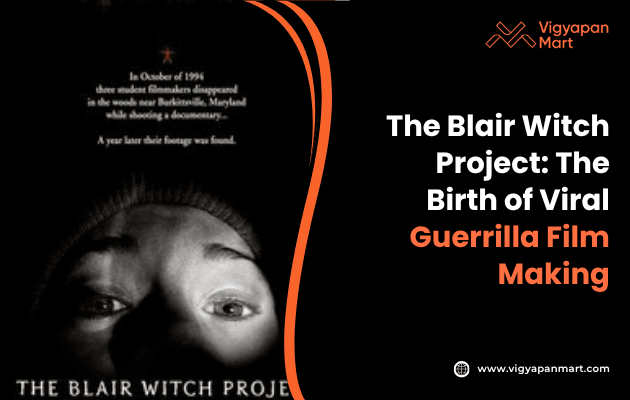
The Blair Witch Project pioneered a groundbreaking approach to marketing by blurring the lines between fiction and reality, effectively convincing audiences that its story might be true. Utilizing a highly innovative guerrilla campaign, the filmmakers launched a dedicated website filled with fabricated news articles, police reports, and missing person posters that built a mythos around the film’s plot. This grassroots strategy leveraged early internet forums and word-of-mouth buzz, captivating viewers before the film’s release and turning its low-budget origins into an advantage.
Key Elements of the Campaign
Internet-Driven Narrative
Months before the film’s Sundance premiere, the filmmakers launched a website presenting elaborate faux police reports, interviews, and background stories that deepened the mythos of the Blair Witch and strongly implied the events depicted were real. Visitors could explore clues, watch “newsreel”-style videos, and even read about the “disappearance” of the film’s characters, whose actors were listed as missing or dead both online and even on IMDb.
Grassroots Tactics
Flyers resembling missing person posters for the three student filmmakers were distributed at festivals and in public spaces. Young interns visited cafes and clubs to spread the legend firsthand, further stoking the sense of authentic mystery within communities.
Word of Mouth and Viral Curiosity
The marketing thrived on creating uncertainty, fueling debates about whether the movie was genuine found footage or an elaborate hoax. Enthusiastic speculation led to word-of-mouth promotion, as audiences debated its authenticity and discussed it with friends, amplifying its buzz.
Minimal Mainstream Advertising
With a marketing budget far below major studio films, most resources went into these guerrilla methods and early web content, rather than traditional TV or print ads. The result was an exponential return: the website reached 160 million hits by August 1999, and the film broke box-office records for an independent release.
Industry Impact and Legacy
- The Blair Witch Project proved that a small budget could generate massive global anticipation, provided the approach was innovative and immersive so much so, professors and marketers still cite it as a landmark campaign.
- It also validated the internet as a powerful marketing tool for storytelling and world-building, influencing later films such as Cloverfield and Paranormal Activity, though none could fully replicate its unprecedented impact.
- The campaign's fusion of web lore, experiential tactics, and psychological triggers set the blueprint for modern viral marketing, where creating mystery, interactivity, and community intrigue can yield extraordinary results.
- The Blair Witch Project was not just a film, it was a social phenomenon meticulously designed to infiltrate pop culture by making the audience part of its legend, and in doing so, it permanently altered the landscape of movie marketing.
Conclusion
The Blair Witch Project’s Gorilla marketing campaign stands as one of the most influential examples of viral guerrilla storytelling in film history. By deliberately blurring the line between truth and fiction, the filmmakers generated massive intrigue, convincing audiences that the story might be real. Through fabricated websites, missing posters, grassroots buzz, and cleverly seeded debates, the film created a participatory mystery that audiences couldn’t resist. This low-budget yet highly immersive approach not only shattered box office records but also reshaped how movies and brands in general could market themselves through narrative-driven, unconventional tactics. If you’re looking to craft campaigns that blend creativity, mystery, and cultural impact, Vigyapan Mart can help you design strategies with the same lasting resonance. Book a consultation to explore how.
Subscribe to our newsletter
Get updates instantly! Join our community for the latest marketing insights.