
Sustainability Practices Every Brand Should Follow In Their Outdoor Advertising Campaigns
Outdoor advertising is evolving with a growing focus on sustainability. Brands must adopt eco-friendly materials, energy-saving technologies, and transparent reporting to meet consumer expectations, reduce environmental harm, and stand out in today’s competitive, green-driven market.
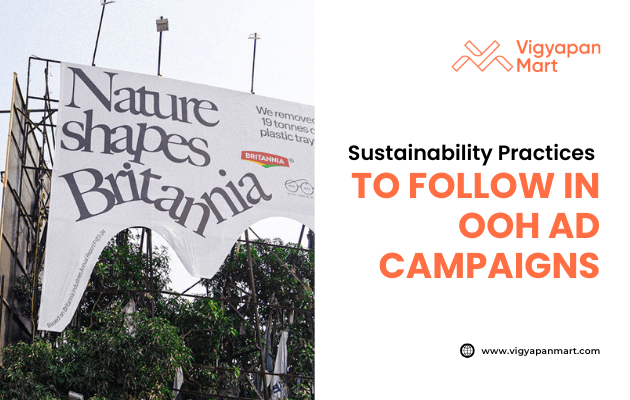
Outdoor advertising has long been a powerful tool for capturing audience attention. But this causes continuous harm to the environment. As environmental concerns are growing, businesses must rethink their strategies to align with sustainability goals. Businesses need to adopt eco-friendly practices in outdoor advertising. This is not only for benefitting the planet but also for connecting with young consumers. Notably, our new young generation is highly concerned about the environment and values brands trying to save it. So you have an opportunity to act now and be in their good books. Below are key sustainability practices you should implement in your next outdoor campaign.
Why Sustainability Matters in Outdoor Advertising?
- Consumer Preferences: According to research, 71% of consumers consider environmentalism important when shopping. Brands trying to be environment-friendly can build trust and loyalty among eco-conscious audiences.
- Environmental Impact: Traditional advertising materials like vinyl contribute to pollution and waste. Notably, over 11 million tons of garbage accumulates globally each year. Following nature-loving practices can reduce this burden.
- Financial Benefits: Companies that integrate sustainability into their operations report an 18% higher ROI and better dividends.
Eco-Friendly Materials for Outdoor Advertising
The choice of materials plays a pivotal role in reducing the environmental footprint of outdoor campaigns.
- Replace traditional vinyl with PVC-free or recyclable polyethylene films.
- Use 100% recycled paper for posters.
- Opt for water-based inks instead of solvent-based inks. This will minimize toxic chemical emissions during printing.
- Modular and reusable billboard components allow repurposing across multiple campaigns, reducing material waste.
Energy-Efficient Technologies
We admit Lighting is essential for visibility but it also consumes significant energy. Instead, you should adopt energy-efficient solutions such as:
- LED Lighting: LED lights consume less energy than traditional bulbs and have a longer lifespan.
- Solar-Powered Displays: Digital billboards powered by solar energy reduce reliance on non-renewable sources.
- Smart Energy Management: Program digital displays to dim or power off during non-peak hours to conserve electricity.
Creative Sustainable Campaigns
Sustainability isn’t just about materials. It’s also about the message and execution. So what can you do?
As a brand, you can use creative eco-friendly ideas in their campaigns:
- Interactive Green Installations:
Create billboards that double as urban gardens or air-purifying structures, like The Body Shop’s air-cleansing bus shelters in London.
- Minimalist Messaging:
Use impactful yet minimalist designs that reduce material usage while engaging audiences effectively.
- Community Engagement Events:
Host recycling drives or environmental awareness events tied to your campaign, reinforcing your brand’s commitment to sustainability.
Measurement and Accountability
Now, comes the next fundamental part of the advertising campaign. Analytics! As a brand, you must track the impact of your sustainable practices. Now the question is how to do so.
Here are the key methods.
- Obtain certifications like ISO 14001 for environmental management to validate sustainable efforts.
- Evaluate campaigns based on energy consumption, waste generated, and materials used.
- Share sustainability metrics with stakeholders and consumers to build credibility and accountability.
Benefits of Sustainable Outdoor Advertising
| Benefit | Explanation |
|---|---|
| Enhanced Brand Loyalty | Eco-conscious consumers prefer brands committed to sustainability. |
| Reduced Costs | Modular designs and energy-efficient technologies lower operational costs. |
| Positive Environmental Impact | Decreased waste and pollution contribute to a healthier planet. |
| Competitive Edge | Differentiating through green practices attracts environmentally aware audiences. |
Conclusion: A Greener Future for Advertising!
Sustainability is no longer optional for brands. It’s a necessity for brands trying to thrive in today’s market. You as a brand must start adopting eco-friendly materials, energy-efficient technologies, creative campaign ideas, and transparent accountability. It measures to become a part of this positive change. As more people are embracing these principles, outdoor advertising has the potential to inspire a sustainability culture in the market. Not only is this essential for the next-gen marketing but it will also preserve our planet for future generations.
Are you interested to know more about sustainable outdoor advertising ? Connect with Vigyapan Mart.
Subscribe to our newsletter
Get updates instantly! Join our community for the latest marketing insights.